Future Homes Start with Spray Foam Insulation in Seattle, WA

Future homes in the Seattle area require a construction approach that prioritizes energy efficiency, moisture resistance, and long term structural health. Spray foam insulation provides the most effective solution for these needs by creating an airtight seal that addresses the specific challenges of the Pacific Northwest climate. Unlike traditional materials, this advanced foam expands to fill every gap and crack in the building envelope, preventing the uncontrolled air movement that accounts for up to 40 percent of a home's energy loss. This article provides a comprehensive look at why this technology is becoming the standard for modern residential properties in the Puget Sound region.
By choosing high-performance spray-foam insulation in Seattle, WA, homeowners create a living environment that is both comfortable and cost-effective. Industry specialists recognize that the unique marine climate of Seattle, WA requires insulation materials that can withstand high humidity without losing their thermal resistance. Properties equipped with spray-foam insulation in Seattle consistently maintain stable indoor temperatures regardless of seasonal changes outside. This advanced insulation solution not only improves energy efficiency but also enhances comfort, durability, and long-term savings. The following sections explore the technical and practical advantages of spray-foam insulation in Seattle, WA for homeowners and builders planning new construction or renovations.
Energy Efficiency and Seattle Climate Needs
Energy efficiency is the primary concern for modern home construction in Washington State. The local climate features long periods of damp, cool weather followed by increasingly warm summers. Traditional insulation often fails to keep up with these demands because it allows air to pass through the material. Spray foam creates a dense barrier that keeps conditioned air inside the home, reducing the workload on furnaces and air conditioners. This stability ensures that mechanical systems last longer and operate more effectively throughout the year.
Properties that implement this technology often see a significant reduction in their monthly utility expenses. According to energy market data, a properly sealed home can lower heating and cooling costs by 15 percent or more. This financial benefit is one of the main reasons that homeowners are moving away from older insulation methods. The material provides a permanent fix for energy waste, meaning the savings continue for the life of the building.
Managing High Heating and Cooling Costs
Seattle residents often face rising energy prices, making a well insulated home a strategic financial asset. When air leaks are stopped, the thermostat remains steady without constant adjustments. This creates a more peaceful indoor environment where the furnace does not have to cycle on and off frequently. The initial investment in quality insulation is often recovered through these ongoing savings in a relatively short period.
Beyond the immediate financial return, an efficient home is more attractive to future buyers. Real estate trends show that modern buyers prioritize energy performance and sustainability. By installing spray foam now, property owners increase the long term value and marketability of their homes. It is a proactive step toward building a residence that meets the rigorous standards of the next generation.
Air Leakage Impact on Utility Bills
Air leaks around electrical outlets, window frames, and attic hatches act like a large open window when added together. Spray foam professionals use specialized equipment to target these hidden leaks that are invisible to the naked eye. By filling these voids, the material ensures that the home's thermal envelope remains continuous and effective. This level of detail is something that hand-placed insulation cannot achieve.
The pressure changes caused by wind and temperature differences push air through even the smallest cracks. Spray foam adheres strongly to the building materials, forming a bond that resists this pressure. This durability is necessary for maintaining efficiency during the windy storms common in the Puget Sound area. It provides a level of protection that stays in place even as the house naturally shifts or settles over time.
Bonus Tip Monitor Heating Patterns
Homeowners should keep a log of their heating and cooling usage before and after an insulation upgrade. This data helps identify exactly how much the new material is saving them each month. It also allows them to see if other parts of the home, like windows or doors, need attention to further improve the overall efficiency of the property.
Measuring Indoor Temperature Stability
Stability can be measured by how long a room stays at a specific temperature after the heating system is turned off. A well sealed room with spray foam will lose heat much more slowly than a room with traditional fiberglass. This measurement is a clear indicator of how well the insulation is performing in real world conditions.
Moisture Protection in the Puget Sound Region
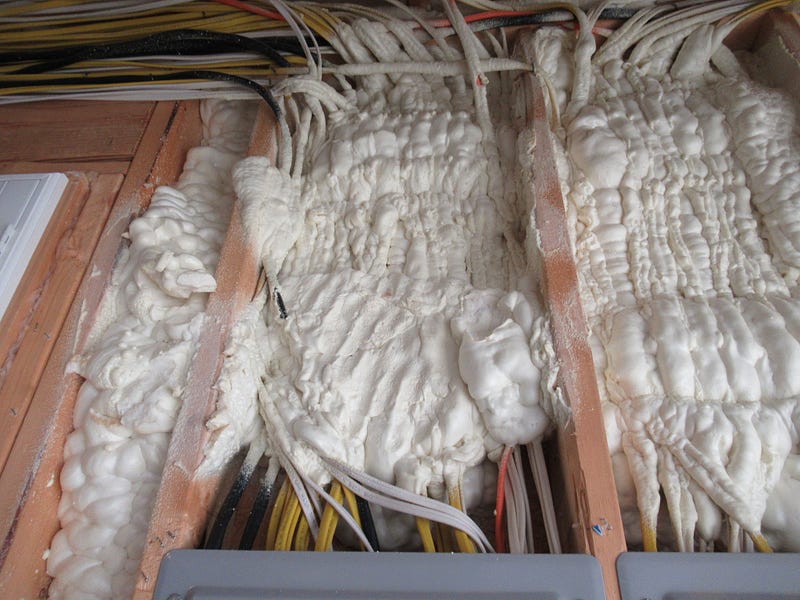
Moisture management is a constant struggle for builders in Seattle due to the frequent rain and high humidity levels. Traditional insulation materials like fiberglass can act as a sponge, holding water and promoting the growth of mold. Spray foam, particularly the closed cell variety, does not absorb water and acts as an integrated vapor barrier. This prevents damp air from reaching the wooden studs and sheathing where it could cause rot or decay.
Protecting the structural integrity of the home is essential for long term safety. When the building envelope is kept dry, the risk of expensive structural repairs is greatly reduced. Specialists recommend spray foam for crawl spaces and attics where moisture infiltration is most common. By addressing the water vapor issues at the source, the material ensures a healthier living environment for the residents.
Vapor Barriers and Structural Health
A vapor barrier is a layer that prevents water molecules from moving through the walls of a house. Closed cell spray foam provides this barrier automatically, eliminating the need for additional plastic sheeting in many cases. This simplifies the construction process and ensures that the protection is seamless across the entire wall or ceiling. It keeps the indoor air quality high by preventing the conditions that allow mildew to flourish.
The structural benefits extend to the strength of the walls themselves. Closed cell foam is very dense and rigid, which can increase the racking strength of a wall by up to 300 percent. This added strength helps the home withstand the stresses of high winds and other environmental factors. It is a secondary benefit that adds another layer of security to the property.
Insulation Type | R-Value Per Inch | Air Barrier | Vapor Barrier | Sound Dampening |
|---|---|---|---|---|
Closed Cell Spray Foam | 6.5 to 7.0 | Yes | Yes | Moderate |
Open Cell Spray Foam | 3.5 to 3.8 | Yes | No | High |
Fiberglass Batts | 3.1 to 3.4 | No | No | Moderate |
Cellulose | 3.2 to 3.8 | No | No | Moderate |
Bonus Tip Check for Attic Mold
Regular inspections of the attic space can reveal hidden moisture issues before they become major problems. If a homeowner notices dark spots on the rafters or a musty smell, it may be time to consult an insulation expert. Upgrading to spray foam can stop these issues by preventing the warm, moist air from the living space from reaching the cold roof deck.
Things to Consider Before Making a Decision
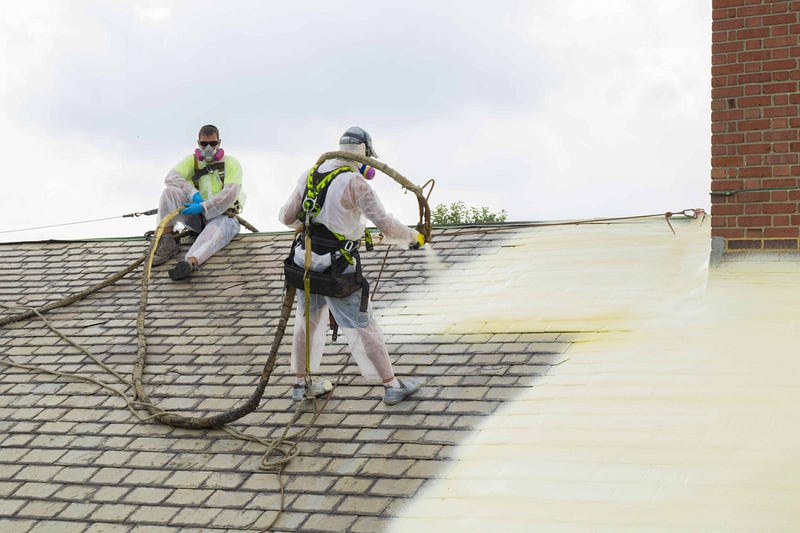
Choosing the right insulation requires an assessment of the current state of the home and the specific goals of the owner. One of the first things to evaluate is the condition of the existing insulation. In many cases, old materials should be removed to ensure that the new foam can bond directly to the building surfaces. This creates the best possible seal and allows the professionals to inspect the area for any hidden damage or pests.
Budget is also a factor, as spray foam has a higher upfront cost than traditional batts. However, the long term savings on energy and the prevention of moisture damage often outweigh the initial price. Homeowners should look at the return on investment over a period of five to ten years to see the true value of the upgrade. It is also important to consider the temporary displacement of residents during the application and curing process, which typically takes about twenty-four hours.
Selecting Between Open and Closed Cell Foam
Open cell foam is more affordable and provides excellent sound dampening, making it a good choice for interior walls and quiet rooms. Closed cell foam is denser, stronger, and provides a built-in vapor barrier, which makes it the preferred choice for exterior walls and areas exposed to moisture. A professional team can help determine which type is best for each specific part of the house. Both types provide a high performance air seal that fiberglass cannot match.
Questions People Ask About Modern Insulation
How long does spray foam insulation last in a typical Seattle home?
Spray foam is a permanent solution that typically lasts for the entire life of the building. It does not sag, shrink, or settle like traditional fiberglass or cellulose. This stability ensures that the energy savings and comfort benefits remain consistent for eighty years or more without the need for maintenance.
Is spray foam insulation safe for indoor air quality once it cures?
Yes, once the material has fully cured, which usually takes about twenty-four hours, it is chemically inert and safe for residents. By sealing out dust, pollen, and outdoor pollutants, it actually improves the indoor air quality. It provides a healthier environment for families, especially those with members who suffer from allergies.
Can spray foam be installed in an existing home?
Spray foam is frequently used in renovation projects for older homes. It can be applied to attics, crawl spaces, and basements to modernize the energy efficiency of an aging structure. For existing walls, professionals sometimes remove small sections of drywall or siding to access the cavities for a thorough application.
Does spray foam help with noise from traffic or neighbors?
The material is excellent at dampening sound because it seals the gaps that allow sound waves to travel through the walls. Open cell foam is particularly effective at absorbing sound, making it a popular choice for home offices or bedrooms near busy streets. It creates a much quieter and more private living experience for the family.
Will spray foam make my home too airtight for fresh air?
A tightly sealed home is efficient but requires proper ventilation to ensure fresh air circulation. Experts recommend using a mechanical ventilation system, such as a heat recovery ventilator, to bring in fresh air while maintaining energy efficiency. This allows the residents to control the air quality rather than relying on random leaks in the building.
Final Thoughts on Seattle Home Construction
The transition to high performance insulation is a necessary step for anyone looking to build a home that stands up to the challenges of the future. By prioritizing a complete air seal and superior moisture protection, homeowners ensure that their properties remain comfortable, dry, and efficient for decades. The technical advantages of spray foam address the specific needs of the Pacific Northwest, making it the most logical choice for local residents. While the process requires a professional touch and a higher initial investment, the long term benefits to both the building and the bank account are undeniable. Taking a proactive approach to home efficiency today creates a safer and more sustainable living environment for the future.
Professional Assistance for Local Homeowners
Homeowners who want to secure their property's future efficiency should consult with an experienced team for an accurate assessment. Cascadia Spray Foam Insulation of Seattle provides professional guidance and precision installation to help residents achieve their energy saving goals. Their experts understand the unique demands of the local climate and use high quality materials to ensure a durable and effective air seal. For those interested in learning more about the process or to schedule a consultation, they can be reached at (425) 386-3500 or via email at info@cascadiasprayfoam.com. Working with a dedicated specialist is the best way to ensure the project is handled safely and provides the maximum long term benefit for the property.
Reviewer: Olivia Thompson has spent 10 years working in spray foam insulation, helping companies grow their visibility. She reviewed this article and provided valuable suggestions to better align the content with customers' needs and expectations, ensuring it resonates with the target audience.


Comments
Post a Comment